
Key Takeaways
• Drawback recovers more than tariffs. Merchandise Processing Fees and Harbor Maintenance Fees are recoverable too, along with refunds tied to valuation, destruction, and classification.
• The program takes different shapes depending on how a company imports and what happens to the goods afterward.
• Unused drawback covers imports exported in the same condition, manufacturing covers imports built into an exported product, and rejected covers goods unsold, returned, or destroyed because they did not meet specification.
• The documentation load, including proofs of delivery, pedimentos, and tracking numbers, is the part most companies dread and the part a specialist takes on.
• Compliance is a reason to use a specialist rather than a reason to avoid drawback, since every filing step has to meet CBP requirements.
• A Privileges Application for Accelerated Payment speeds up refunds and can cover retroactive as well as prospective filings.
• The privileges application is a one time process, after which filing becomes routine.
For most people, when they hear Duty Drawback, they scratch their heads not realizing what that term even means. Why? Because Drawback is like the Unicorn of revenue refunds. It’s that one thing that many can promise they can do, but few can actually make happen.
Let us give you five great reasons why you should consider it and how it can help your business.
1. Not limited to tariffs
Most assume that with Drawback one can only recover tariffs. Fortunately, that’s far from correct. Aside from the usual tariffs, you can add in things such as Merchandise Processing Fees (MPF), Harbor Merchandise Fee (HMF), Evaluation refunds, Destruction refunds, Classification refunds and many other opportunities for revenue growth.
2. Options. Options. Options.
Did you know there are numerous ways to complete a Drawback program? Depending on what your company does or how you import, it falls into a certain category that delivers different kinds of results. To quickly enumerate, here are the different types.
- Unused: Imports that are exported in the same condition with no modifications on them.
- Manufactured: Imports that are either manufactured further together with other imported or domestically sourced parts and then exported.
- Rejected: Imports that remained unsold, recovered, returned, or rejected and therefore will be destroyed.
3. Paperwork Phobia
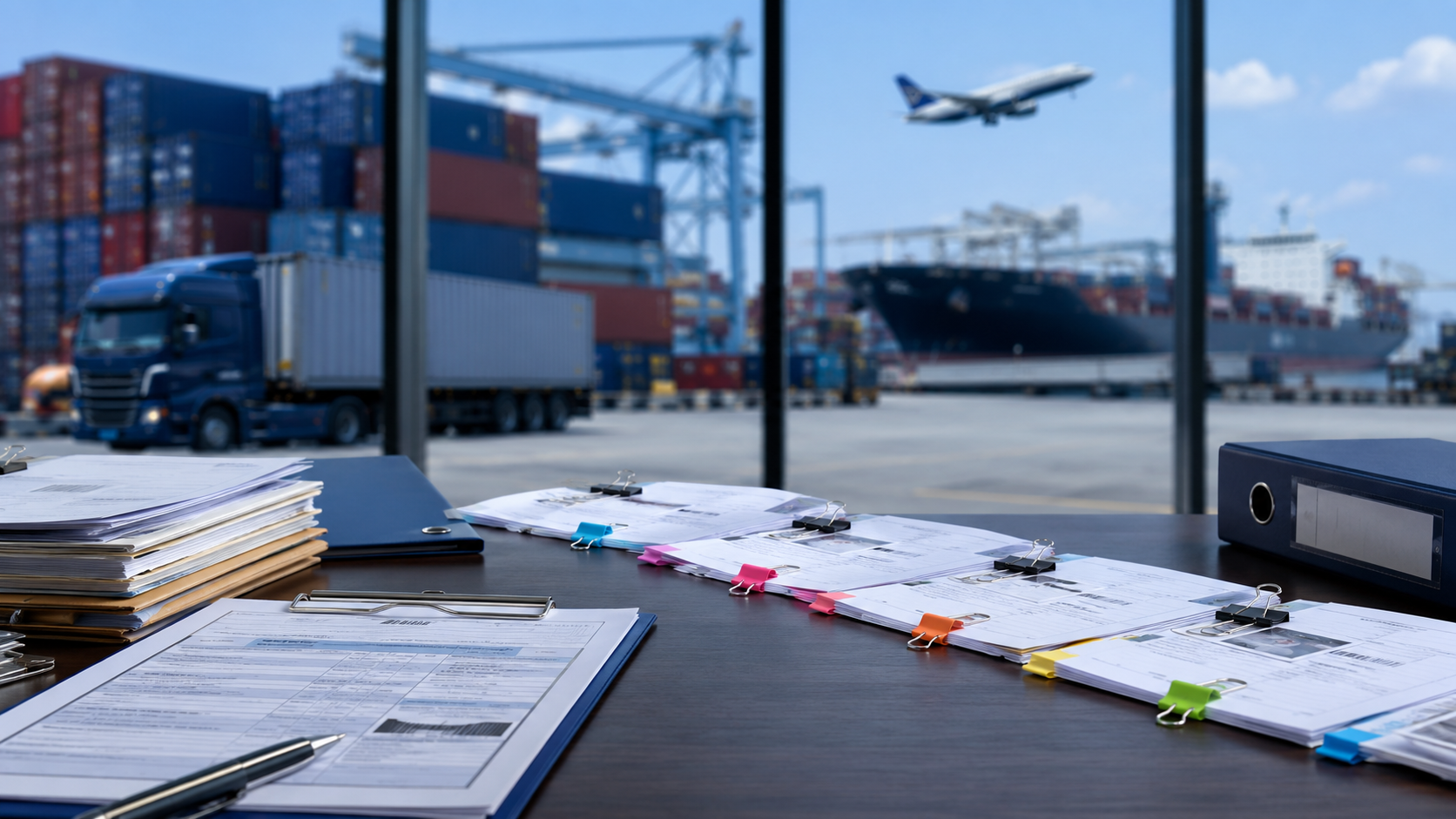
Worried about the piles of paperwork you have to go through? All those proof of deliveries, pedimentos, tracking numbers, the list goes on. Not a problem when you have an expert Drawback consultant like us working with you side by side. All you need to do is allow us to tailor a program to you and we will contact all those clients, brokers, and freight forwarders.
4. Compliance
Many companies shy away from the idea of working with customs. It appears to be a daunting task and may take a lot of time reviewing regulations and classifications. With a Drawback expert, you are fully protected. Every step of the way is ensured that it is in compliance with Customs’ requirements and regulations.
5. Faster Processing
Working on Duty Drawback refunds can take an extensive amount of time. But did you know about something called a Privileges Application for Accelerated Payment Privileges? Yes, under a Privileges Application, you don’t only get faster processing, but you can also request full coverage for compliance in all filings; retro and prospective. This is a one-time application process that CITTA files for you and once you’re approved, your filing will be a smooth sailing process.
The word is out. Duty Drawback doesn’t have to be a bad or painful process. You just have to work with an expert that not only knows you but also cares. So let’s talk! Let CITTA Brokerage develop and customize solutions for you. Give us a call and we can offer a consultation free of charge.
Your friendly neighborhood brokerage experts!
945 E. Chambers St. Suite 300, South Ogden, UT 84403 | 801-479-7873 | info@cittabrokerage.com
Frequently Asked Questions
They fix different problems. A classification refund corrects duty that should never have been charged, usually through a Post Summary Correction or a protest. Drawback returns duty that was correctly charged on goods that later left the country or were destroyed. A company can be entitled to both on different entries.
Duty overpaid because the declared customs value was too high, for example where discounts, rebates, or assists were handled incorrectly at entry. That is a valuation correction rather than drawback, and it runs on a different timeline with a different filing route.
Substitution is a variant that runs across the categories rather than a fourth standalone type. It allows a claim where the exported goods are not the exact imported units but fall under the same 8 digit HTS subheading. For companies with commingled inventory, it widens eligibility considerably.
HMF applies to ocean cargo arriving at certain ports, so it appears on some entries and not others. Where it was paid it is recoverable through drawback along with the duty. Air and truck shipments do not carry it, which is why recoverable fee totals vary widely across one company’s entries.
The records only you hold: import entry data, inventory or production records, and proof the goods left or were destroyed. Chasing documents from brokers, forwarders, and customers is work a specialist can absorb, but nothing substitutes for your own inventory and production data.