
Key Takeaways
- Every claim rests on a paper trail connecting imports to exports. Each claim needs correlating records proving valid imports and valid exports, and gaps on either side are what derail refunds.
- Three core documents on each side. Imports require the entry summary (CBP Form 7501), commercial invoice, and matching packing slip; exports require the commercial invoice, packing slip, and a valid proof of export that ties back to them.
- Proof of export comes in many forms. Express carrier records, bills of lading, air waybills, a Pedimento for shipments into Mexico, or a B3 for Canadian shipments can all establish the date and fact of exportation.
- The Exporter of Record controls the claim. When another party is listed as Exporter of Record, a letter of endorsement is needed to move the drawback rights to the claimant.
- Records must outlive the claim. Supporting documents must be retained for three years after the claim liquidates, which in practice means holding records for years beyond the original import date.
When looking to claim drawback there are several factors that we have to make sure to consider and also implement, Besides a strict process that needs to be followed to remain in compliance with Customs, there is also specific documentation that is required.
To give you an idea of what you will want to look for when gathering records, you will have to keep in mind that each claim will need to have correlating documents for proof of valid imports and exports. You also have to have these records on hand for the customary seven-year time frame as that will be your window of record-keeping required by Customs.
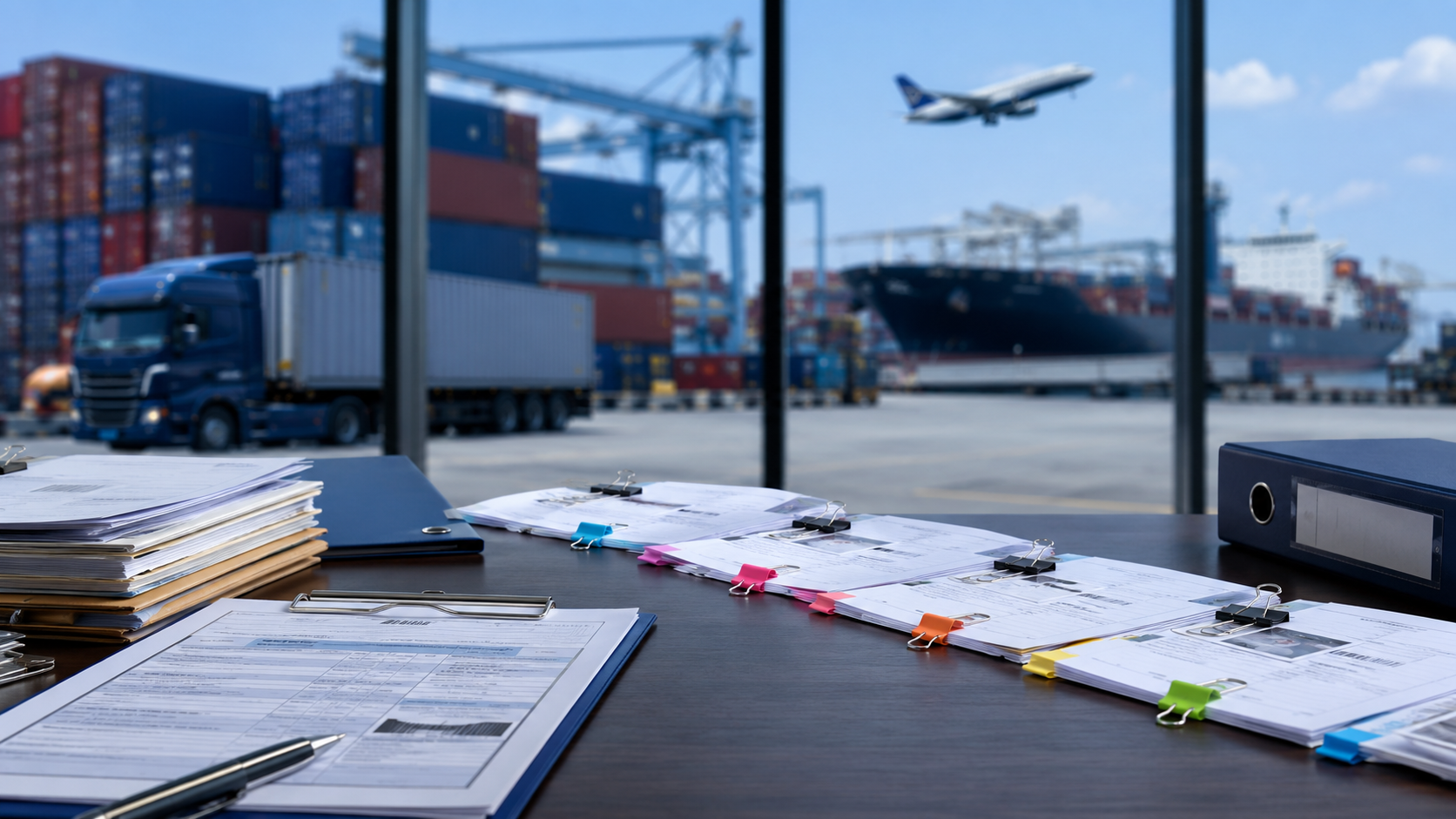
There are three documents on each the import and export side of the equation. First, on the import side, you are required to have the entry summary (or Form 7501), commercial invoice, and matching packing slip. On the export side, the items are very similar but have a little extra detail. As far as what you are required to have, you must have the commercial invoice, packing slip, and a valid proof of export that ties back to these documents and shows actual proof of arrival in a said foreign country.
As far as the Proof of Exports mentioned above, these come in many different forms. You can have a Proof of Export (or Proof of Delivery) from an express carrier that can be pulled from said private carrier websites. This can be done using their regular portals going back to certain time frames, or by using direct contacts and logins to gather data going farther retroactively. The items required to be included are the ship date, received date, and the country the item(s) were exported to. If private carriers were not used in the transportation process and/or could not be obtained, other options include items such as a Bill of Lading or Airway Bill for large containers, ships, and planes, a Pedimento for those Entries into Mexico, and a B3 for Canadian shipments.
With the above-mentioned proof of exports, your company, or the exporting customer must be listed under “Exporter of Record” indicating the final fact of exportation. By doing so, you are then gathering the necessary data in regards to the country that the goods are being shipped to, a Sail Date or Laden on Board date, and either one of two things; the Bill of Lading number on your tying invoice or the invoice number on that Bill of Lading.
If you have a Bill of Lading or Airway Bill and you are not listed as the Exporter of Record, you must get a Letter of Endorsement from whoever is listed as the actual Exporter of Record. This will endorse the drawback rights from that company back to yourselves and allow you to claim drawback to receive those Customs refunds on claims made.
In other words, as long as you can provide the proper paper trail of evidence and how you arrived at which items can be claimed for drawback and which can’t, then you now have your full picture and can be fully confident that you are maximizing your refund potentials while maintaining compliance with Customs.
Frequently Asked Questions
Electronic works. Claims are filed in ACE with supporting documents uploaded digitally within 24 hours of filing, and under the modernized rules, records kept in the normal course of business are acceptable evidence. Hard copies still count, so older records sitting in file boxes can be digitized and put to work.
Yes, they add a layer. Beyond the import and export records above, manufacturing claims need a bill of materials and production records that trace imported inputs into the exported finished article, plus a manufacturing ruling on file with CBP. That import-to-production-to-export chain is what CBP verifies.
Two ways. Direct identification matches exports to imports using lot or serial numbers, or a CBP-approved inventory accounting method such as FIFO when unique identifiers are not available. Substitution claims skip unit-level tracing entirely and match at the 8-digit HTS classification level instead.