Key Takeaways
- Duty drawback refunds duties paid on imports that are later exported or destroyed. Companies can reclaim duties, also called tariffs, through the U.S. Customs Duty Drawback Program.
- Eligibility reaches beyond the importer of record. Importers and exporters of record, exporters who did not import, importers who did not export, and intermediate consignees can all qualify.
- Collaboration makes many claims possible. When different companies handle the import and the export, coordination between them, often under a non-disclosure agreement, makes the claim possible and can even create price negotiation opportunities.
- Specialized expertise protects the claim. A brokerage focused on duty drawback manages the documentation, compliance requirements, and relationships needed to file correctly and recover the most.
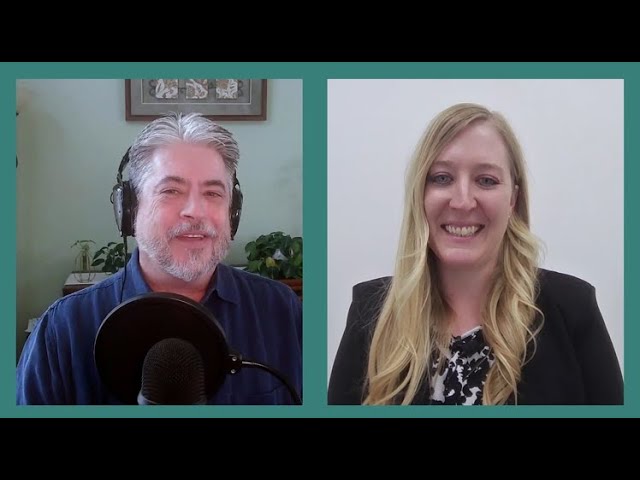
Determining your organization’s eligibility for the U.S. Customs Duty Drawback Program is a crucial first step in reclaiming potential refunds on duties paid. I recently sat down with a colleague to discuss the types of organizations that may qualify. You can watch the video below or continue reading for a summary.
Understanding Duty Drawback
Duty drawback allows companies to reclaim duties, also called tariffs, paid on imported goods that are subsequently exported or destroyed. This process, however, involves navigating complex regulations and maintaining extensive documentation — factors that can make or break a claims filing.
Who is Eligible for Duty Drawback? Eligibility for duty drawback includes various parties involved in importing and exporting goods. Here are the four main types of organizations CITTA Brokerage works with:
- Importer and Exporter of Record: Organizations that both import and export goods are directly eligible for duty drawback, allowing straightforward reclamation of duties.
- Exporter Who is Not the Importer: If your company exports goods purchased domestically, you can still qualify by collaborating with the importer to recover duties, especially when dealing with multiple suppliers.
- Importer Who is Not the Exporter: Companies that only import goods, which are then exported by another party, may qualify by coordinating with the exporter to claim refunds.
- Intermediate Consignee: In complex transactions involving multiple parties, eligibility extends to intermediate consignees. Coordination and non-disclosure agreements are often necessary to protect proprietary information while enabling cooperation.
The Importance of Collaboration
Collaboration among all parties involved in the supply chain is critical to successfully navigating the duty drawback process. Stakeholders are often internally motivated to cooperate, especially when duty-embedded costs are involved, leading to potential price negotiation opportunities. A brokerage specializing in duty drawback can play a vital role in facilitating these relationships, ensuring compliance and maximizing returns.
Why Work with a Brokerage?
The duty drawback process is complex, involving extensive documentation and stringent compliance requirements. Working with a brokerage that specializes in duty drawback can help simplify this process, ensuring that claims are filed correctly and that all regulatory requirements are met. A brokerage’s expertise in managing relationships, protecting sensitive information, and maintaining compliance is invaluable in maximizing potential refunds.
Learn More
To better understand if your organization is eligible for duty drawback, visit CITTABrokerage.com or write to info@CITTABrokerage.com.
*Jade Goodell is a licensed customs broker and the Director of Operations at CITTA Brokerage, a customs brokerage that helps businesses compete globally by maximizing their trade rights by forging strong partnerships with clients, their brokers, freight forwards, and other stakeholders.
Frequently Asked Questions
Claims can be filed on imports going back five years. Because a first claim can capture that entire lookback period, companies that have never filed can often recover several years of duties at once. Eligible shipments age out of the window every day, so timing matters.
Standard customs duties and Section 301 tariffs are drawback eligible. Most Section 232 duties are not, aside from limited exceptions added in 2025, and antidumping and countervailing duties are excluded. Confirming which programs apply to your imports is an early step in estimating what a claim is worth.
Up to 99% of the duties, taxes, and fees paid on qualifying imports can be refunded, a recovery right that has existed since the Tariff Act of 1789. It applies whether the goods are exported or destroyed.
The three most common types are unused merchandise, manufacturing, and rejected merchandise drawback. Unused merchandise covers imports exported or destroyed without being used in the U.S. Manufacturing covers imported materials built into exported products. Rejected merchandise covers goods that arrived defective or not as ordered.
Once a drawback program is established and accelerated payment privileges are approved, most claimants receive refunds within 45 days of filing. Without those privileges, refunds wait for the claim to liquidate, which can take a year or more, so securing privileges early makes a real difference.
Often, yes. Any company paying duties on goods that are later exported or destroyed has potential refunds on the table, and the five-year lookback means even a first claim can cover years of past shipments. CITTA works on a contingency basis, so there is no upfront cost to find out what a program would return.