
*This is a reprint of an article that appeared in AAEI, click here for original or read below:
Most trade compliance professionals have a working understanding of duty drawback: pay duties on imported goods, export those goods or products made from them, and recover up to 99% of the duties paid. Straightforward enough in concept. Complex enough in practice that billions in eligible refunds go unclaimed in the United States every year.
Few professionals realize that one category of drawback is unique and often overlooked in practice.
For companies supplying maritime vessels and commercial aircraft, the definition of “exportation” is not what many assume. That distinction creates some of the largest unclaimed recovery opportunities in international trade today.
The Moment of Lading Is the Moment of Exportation
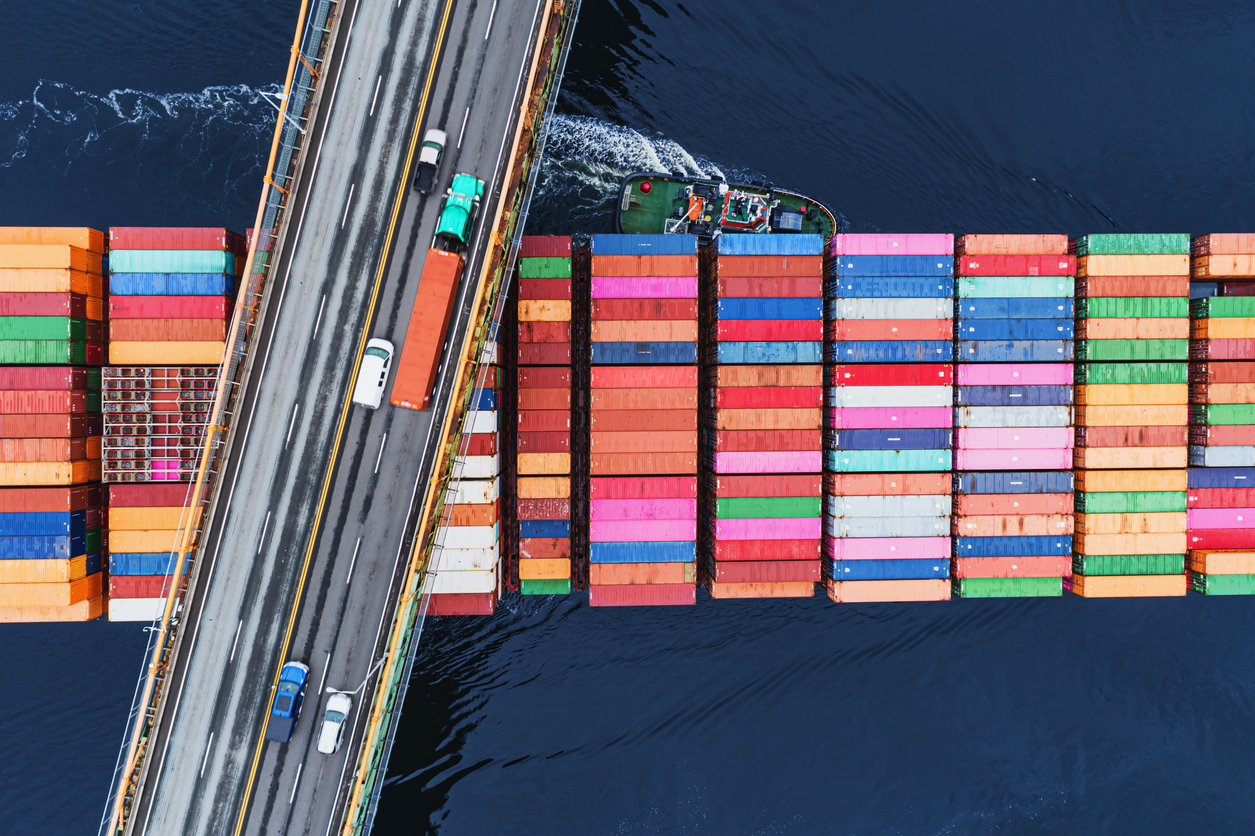
Under 19 CFR Part 190, U.S. Customs and Border Protection (CBP) holds that for purposes of duty drawback on supplies for vessels, exportation is deemed to have occurred at the moment goods are loaded aboard a vessel engaged in foreign trade. The act of loading onto a vessel operating international trade routes constitutes exportation under CBP rules, and courts have consistently upheld this interpretation.
The governing definitions of qualifying goods date to a 1939 Treasury Decision and remain the official standard. “Supplies” include consumable articles necessary for the propulsion, operation, and maintenance of the vessel: paint, cleaning compounds, solvents, medicines, food, and similar items. “Equipment,” claimable by foreign-registered vessels only, includes portable articles for navigation or maintenance: rope, linens, bedding, china, cutlery, and hardware.
A parallel framework covers imported parts used in international aircrafts and materials for aircrafts built for foreign customers. When an internationally-operating aircraft departs U.S. airspace with qualifying imported components aboard, those goods have effectively been exported for drawback purposes.
Why This Matters More in 2026
The tariff environment has fundamentally shifted the calculus. With base duties now at 10% or more across a wide range of categories, and duties on Chinese-origin goods reaching well above 100% for some classifications, the duties paid on imported vessel supplies and aircraft components have grown substantially. Higher duties paid mean higher potential recovery.
The five-year lookback period compounds this opportunity. Under 19 U.S.C. 1313, companies can file drawback claims on imports going back five years from the date of importation. Duties paid on imports from 2021 through 2025 are potentially recoverable today. Even companies that have since adopted alternative tariff mitigation strategies can still recover duties paid under prior supply chain configurations. With CBP application processing times stretching 12 months or more in some cases, the window to act is narrowing.
The Scenarios Most Programs Miss
A distributor imports cleaning products, paints, and solvents and sells them to commercial shipping companies for use on vessels.
When those items are loaded onto a vessel engaged in foreign trade, they are considered exported on that date. Up to 99% of the duties paid at import can be recovered.
A company that supplies cruise ships with food, cabin items, and gift shop merchandise can qualify for drawback.
Imported goods loaded onto vessels operating international routes meet the supplies definition. The duties paid on that merchandise are recoverable.
A manufacturer supplying seating, cabin fixtures, or avionics components for installation into commercial aircraft before international departure: under manufacturing drawback provisions, the duties paid on imported materials incorporated into those exported products are recoverable. The aircraft’s international departure constitutes the exportation that triggers the claim.
Each of these involves everyday business operations. Nearly all go unclaimed.
Why These Claims Are Rarely Filed
The documentary requirements are specific and unforgiving. A complete supplies for vessels claim requires the entry summary with proof of duty payment, a notice of lading containing the vessel name, a precise description of goods with weights and quantities, the lading date, and the exporter’s name. A declaration signed by the ship’s master (also known as the declaration of master) must then link to the notice of lading and attest that the described goods were received in the stated quantities and loaded aboard the named vessel.
Securing those documents requires coordination across parties with no inherent incentive to participate: vessel operators, ship’s officers, freight coordinators, and, in many cases, foreign counterparts. Most companies that qualify never pursue these claims because the coordination burden appears insurmountable without dedicated expertise.
What Trade Professionals Should Do Now
Audit all imported goods supplied to vessel operators or incorporated into aircraft to identify which qualify under CBP definitions. Map the documentation chain from the import entry through the notice of lading or manufacturing record. Assess import records dating back to 2020 to identify the full scope of the historical recovery opportunity before shipments age out of eligibility.
Companies that identify meaningful potential should engage duty drawback specialists with specific experience in maritime and aviation scenarios, established processes for securing third-party documentation, and dedicated compliance infrastructure for managing the CBP relationship over time.
The opportunity in international skies and waters has been sitting in plain sight for decades. Today’s tariff environment has made it more valuable than ever.
Citta Brokerage is a licensed customs brokerage and duty drawback specialist based in Ogden, Utah. With deep expertise in U.S. trade regulations, the firm helps importers and exporters simplify complex duty refund processes, ensure compliance, and maximize recoveries on tariffs paid. Partnering closely with clients and customs partners, CITTA provides tailored support and strategic insight to help businesses reclaim revenue and improve supply-chain profitability.